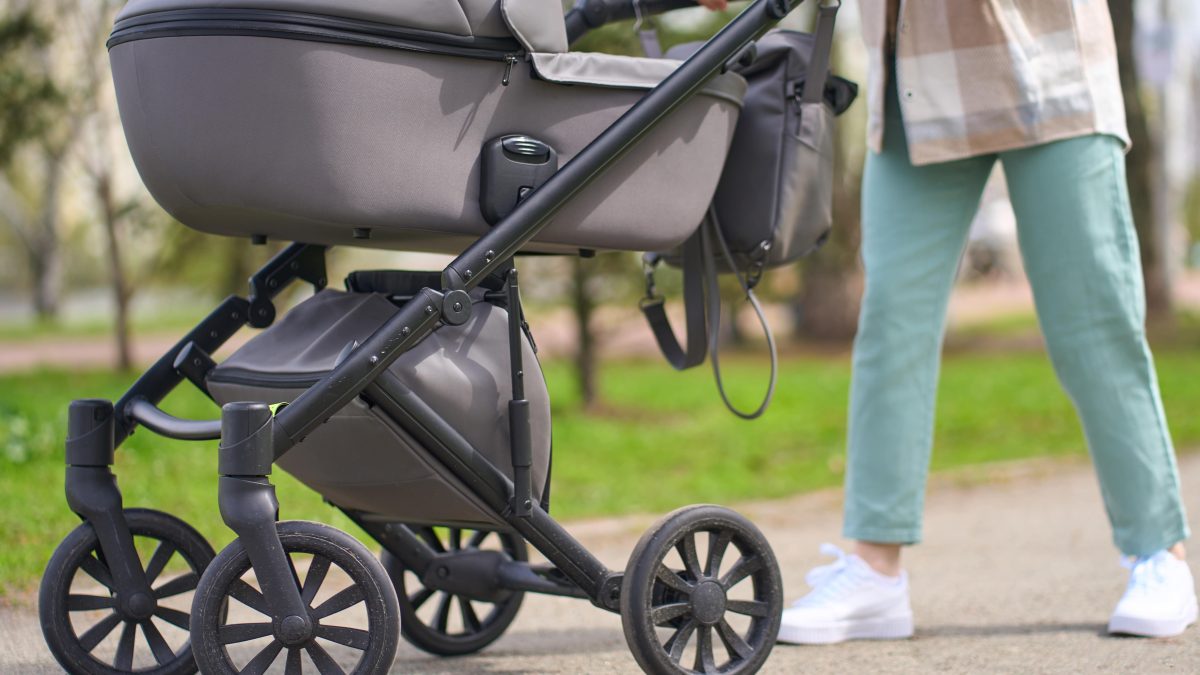
Push Pram Perks: The Ultimate Guide to Stylish and Functional Stroller Solutions!

When it comes to parenting, one of the most essential pieces of equipment is undoubtedly the push pram. Also known as a stroller, buggy, or pushchair, these versatile conveyances allow parents to transport their children conveniently and stylishly. With so many options on the market, however, selecting the ideal push pram can be overwhelming. This article aims to provide in-depth information on push prams, the features to look for, and common questions parents may have.
What is a Push Pram?
A push pram is a wheeled vehicle designed for a child, typically used for infants and toddlers. It allows parents to push their children comfortably while they walk or run errands. Push prams come in various styles, sizes, and functionalities, catering to the diverse needs of families.
Types of Push Prams
To further understand push prams, it’s essential to explore the different types available on the market. Below is a table summarizing the various categories:
| Type | Description | Pros | Cons |
|---|---|---|---|
| Standard Pram | Basic model designed for everyday use. Offers comfort and basic safety features. | Easy to use, affordable. | Limited storage space. |
| Travel System | Includes a car seat that can be attached to the frame. | Convenient for travel; saves time. | Can be bulky. |
| Jogging Stroller | Designed for running and exercising. Features larger wheels and a sturdy frame. | Great for active parents; stability. | Heavier, less compact. |
| Umbrella Stroller | Ultra-lightweight and compact, ideal for travel. | Easy to fold, carry and store. | Minimal padding and features. |
| Double Stroller | Accommodates two children, either in tandem or side-by-side configurations. | Perfect for twins or siblings. | Bulkier and heavier. |
| Convertible Pram | Can transition from a stroller to a car seat, high chair, etc. | Versatile and space-saving. | Costly, with a learning curve. |
Factors to Consider When Choosing a Push Pram
Selecting the right push pram involves several important considerations. Below is a list of key factors parents should evaluate before making their purchase:
-
Safety Features
- Look for a strong harness system, brakes, and a sturdy frame.
- Certifications from safety organizations are a must.
-
Comfort
- A well-padded seat is essential for long outings.
- The push pram should have an adjustable canopy to protect children from the elements.
-
Size and Portability
- Consider your vehicle’s trunk space if you plan to travel.
- Opt for a lightweight design for ease of handling.
-
Storage Options
- Ample storage space for personal items like diapers, snacks, and toys is beneficial.
- Look for compartments and baskets that are easily accessible.
-
Ease of Use
- Features like one-hand folding and adjustable handles can make the pram more user-friendly.
- Check the wheel design; swivel wheels offer better maneuverability.
-
Adjustability and Versatility
- Some models allow you to convert into a bassinet or car seat, which can be beneficial as your child grows.
- Look for adjustable seat heights or reclining options.
Benefits of Using a Push Pram
Push prams provide several benefits beyond simple transportation. Here is a list of some key advantages:
- Enhanced Mobility: Parents can easily navigate urban environments and crowded spaces.
- Child Comfort: With added cushioning and reclining options, children can nap comfortably during outings.
- Physical Activity: Many models are built for jogging, allowing parents to maintain their fitness routines with their child in tow.
- Convenience: Push prams often come with storage space for baby essentials, making outings easier for parents.
- Quality Time: Walking with a child in a pram allows parents to bond and engage with them outside, stimulating development.
Frequently Asked Questions (FAQs)
1. At what age can I start using a push pram?
Infants can begin using a push pram from birth if it can accommodate a car seat or has a flat-laying option. As they grow and can sit up unsupported, most push prams are suitable until they reach about four years of age or 50 pounds.
2. How do I clean and maintain my push pram?
Regular cleaning includes wiping down the frame and fabric with mild soapy water. Many push pram fabrics are removable and machine washable. Always check the manufacturer’s cleaning instructions.
3. Are all push prams safe?
Not all push prams are created equal; safety features should always be your top priority. Look for models certified by recognized safety authorities and always follow the manufacturer’s guidelines for proper use.
4. Can I use a push pram on different terrains?
Certain push prams, such as jogging strollers, are designed for rough terrains. Standard prams generally work well on smooth surfaces; however, wheels and suspension systems differ and should be considered based on your environment.
5. What is the difference between a pram and a stroller?
While the terms are often interchangeable, prams are typically designed for infants, providing a completely flat and more cozy environment. Strollers are usually more versatile and suitable for older children.
Choosing a push pram is a significant decision for parents and caregivers. Whether looking for convenience, safety, or comfort, understanding the variety of options available is essential. From travel systems to jogging strollers, the right push pram can make outings enjoyable for both parents and children. By taking the time to consider factors such as safety features, storage options, and ease of use, families can find the perfect push pram to suit their lifestyle needs and ensure a delightful bonding experience with their little ones. Happy strolling!
Looking for top-quality Push Pram? Check out Pushchairs And Prams for a wide selection of stylish and functional pushchairs to keep your little one safe and comfortable on the go.
